

These are some of the best college admissions books I’ve read. They will help parents understand the modern college admissions landscape, from how colleges pick students to how to pay for college.
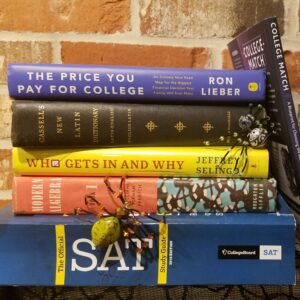
We often focus on sensational articles about a handful of colleges. This can lead to a lot of doom-casting and despair. In fact, every year I decorate for Halloween with a stack of “scary books” including several about college admissions.
But really, they should help you be less scared, because you’ll understand more. These books are realistic, but also point out that adult success doesn’t depend on attending a college with a single-digit admissions rate. Where possible, I include links to an excerpt or interview with the author so you can decide if the full book would be helpful in your situation.
What Makes a College a Good School?
What do you think of when you picture “college?” Chances are you think of schools that are well-known for being well-known. That often includes venerable, famous colleges like Harvard, Georgetown, or University of Virginia. It might include the very large universities in your state (or the colleges they play in football and basketball). Maybe you think of where you or other family members attended.
There are around 3,000 public and private non-profit colleges and universities in the US that offer undergraduate degrees. Yet the conversation around college often gets stuck on the handful of schools with very, very low admissions rates (and very, very high costs of attendance). Sometimes people act as if the options are to attend a famously selective college or the least expensive and most open enrollment school available. That outlook is going to miss a lot of nice options, many of which would be academically supportive, attainable in admissions, and potentially quite affordable.
Dream School is Jeff Selingo’s answer to the perennial question of what other colleges students should consider. He’s in a great position to answer this after a career writing about higher education, including Who Gets In and Why.
I like Dream School, because he starts by examining our cultural assumptions about college (lower selectivity = better), then digs into what qualities tend to really affect student outcomes, including experiential learning, mentoring, and a sense of belonging (aka finding your people). He also has sections on college financial viability and return on investment.
The Appendix contains three lists of “New” Dream Schools: Hidden Values, Breakout Regionals, and Large Leaders. I enjoyed going through these lists and noting how many I’d visited over the years and how many I was still not very familiar with. Hopefully this list would introduce you to some new possibilities or cause you to give a nearby regional public or small liberal arts college another look.
But remember that this list isn’t definitive. If the description of a school like Denison, Dickinson, or Drexel sounds interesting, thing about what attracts you and look for still more schools with similar qualities (other than starting with the letter “D”). One way to start thinking about what you actually want in a college is to do “category visits” before you try to make a list of specific schools to apply to.
This is one of 2-3 books I ask all of my comprehensive client parents to read. Selingo’s website has links to several videos and guides for students.
What Does College Cost and Is It Worth It?
The Price You Pay for College by Ron Lieber, a NY Times financial columnist, is the best book I’ve read about college costs and the decisions families make about value. The chapters are short and topical. If you only have time for one college admissions book, this would be my highest recommendation.
Part II addresses the role of emotions in thinking about colleges – specifically Fear, Guilt, and Elitism. Reading this won’t erase every negative emotion around college admissions, but you will at least be prepared to recognize them when they start to take over.
This interview with Ron Lieber gives you a sample, but personally I’d read anything he writes about college or college financial aid.
Related: Understanding College Financial Aid Offers
When College Admissions Has You Stressed
Never Enough by Jennifer Breheny Wallace is a recent book that really speaks to the stress students feel as they approach college. She writes about the intense pressure high school students feel as they try to add more and more to their transcript or resume in the hope of being selected for admission by colleges with single digit admissions rates.
It’s not a list of tips or hacks for admission. Instead it gives students permission to care more about mattering rather than measuring success by their college admissions results. It also equips parents and other adults with tools to support students and turn down the pressure they feel.
The Resources section has a list of suggestions for parents, educators, and community members. These include attitude adjustments, conversation starters, and actions to take. For example, many high schools have a “Sweatshirt Day” on May 1 where students where swag for the college they chose to enroll at. This is usually a well-intentioned effort to celebrate students’ next step, but can shame students who weren’t admitted to high profile colleges — or who are going a different direction like gap years, trade apprenticeships, military enlistment, or work.
How Do Colleges Pick Students?
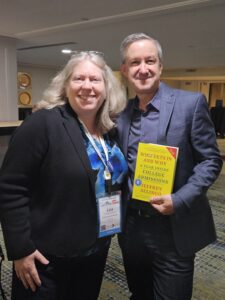
Who Gets In and Why by Jeff Selingo, a former editor of The Chronicle of Higher Education, describes a year in college admissions. He sat in on application reviews with three colleges and also interviewed high school seniors about their experience.
When I work with families, I find that parents often assume college admissions today is just like what they experienced decades ago. They are shocked to find that their alma mater is now much harder to get into, that colleges have extensive marketing budgets, or that financial need plays a role in who is admitted.
I especially like his concept that you can consider colleges as either Buyers or Sellers.
Buyers are colleges that need to make an effort to enroll a full class of incoming freshmen. They have higher admissions rates and often give tuition discounts to encourage enrollment.
Sellers have many more applicants than they could ever enroll. They turn down large numbers of highly qualified students and usually limit their financial aid to students with demonstrated financial need.
Students shouldn’t make a college list that is mostly Sellers. There is a good chance that they won’t be admitted to any, and will have few college options in the spring. What’s more, students with an eye on college affordability should look carefully at Buyers that offer a good education, but are less well known outside their region.
College Advice for Black Families
A recent addition to my list is The Black Family’s Guide to College Admissions by Timothy Fields and Shereem Herndon-Brown. They address a lot of topics relevant to American Black families, like choosing between an HBCU or a PWI (aka a Historically Black College or University or a Primarily White Institution), and bring their own experience as former students, parents, and college admissions professionals.
I appreciated that they didn’t just tell families what they should do, but tried to share information, lay out pros and cons, and give families a framework for deciding what makes the most sense for them. Their section on deciding what K-12 schools your kid should attend is well done and something I haven’t seen other authors address.
I hope this book sparks interest in creating a lot more specialized guides that focus on specific areas of interest, but they have set a really high standard to follow.
Does It Matter Where You Go to College?
Where You Go Is Not Who You’ll Be by Frank Bruni rebuts the idea that only a handful of colleges offer an education that prepares students for adult success. This is a destructive idea that causes many teens to feel like failures before they even graduate high school – simply because they didn’t gain admission to one of the most celebrated, most selective colleges.
This excerpt is from the beginning of the book. I especially commend the letter Matt Levin’s parents wrote him as a model of what I think most of us want for the children we love.
Bonus: TED Talks to Help You Parent Stressed Students
Speaking of relieving shame and guilt, please watch these two TED talks from researcher/storyteller Brené Brown. She sometimes refers to herself as a “shame researcher.” And she has spent years exploring how shame and vulnerability affect our self-worth and relationships to family and friends.
This relates to college admissions in a big way. Students sometimes feel that some admissions outcomes represent “success” and other outcomes mark them as unworthy. It’s important that we as parents keep lines of communication open, and stay attentive the unintended messages we are sending and the feelings our kids may struggle to articulate.
I have recommended these talks for many years in my parent resources. In the last few years, mental health concerns for high school and college students have swelled. I think students today feel they are under intense pressure, and don’t know how to ask for help. I hope that these presentations by Brené Brown will help you support your student.
TEDx Houston: The Power of Vulnerability
TED 2012: Listening to Shame
College Admissions Books Give the Context You Need
Every year my Halloween decorations include college admissions books (along with algebra and Latin texts) in a stack of scary books. The prospect of college scares and overwhelms many parents. College admissions may seem confusing and random. Paying for college may feel impossible.
But remember that the stories that make a big splash in the media are often outliers that don’t represent typical outcomes. Advice from parents on social media lacks the context that made it true in their specific situation.
Some parents react by pushing their kids into “getting ready for college” years before it’s appropriate. (Sixth graders don’t need a dream college). Others choose to avoid the topic, which leaves them scrambling when senior year arrives. These books and resources on give you a better foundation for approaching college admissions with your student.
I hope you find these college admissions books helpful. If you have other favorite resources, I’d love to know about them.
Note: This article was written by Lisa Rielage, a human, who reads, writes, and advises on college admissions. All parentheticals, em dash use, and spelling errors are hers.
Share